Zero Care Home Acquired Pressure Injuries?
Thermal imaging makes skin-temperature changes visible before damage shows on the surface, so repositioning and offloading can start while prevention is still possible.
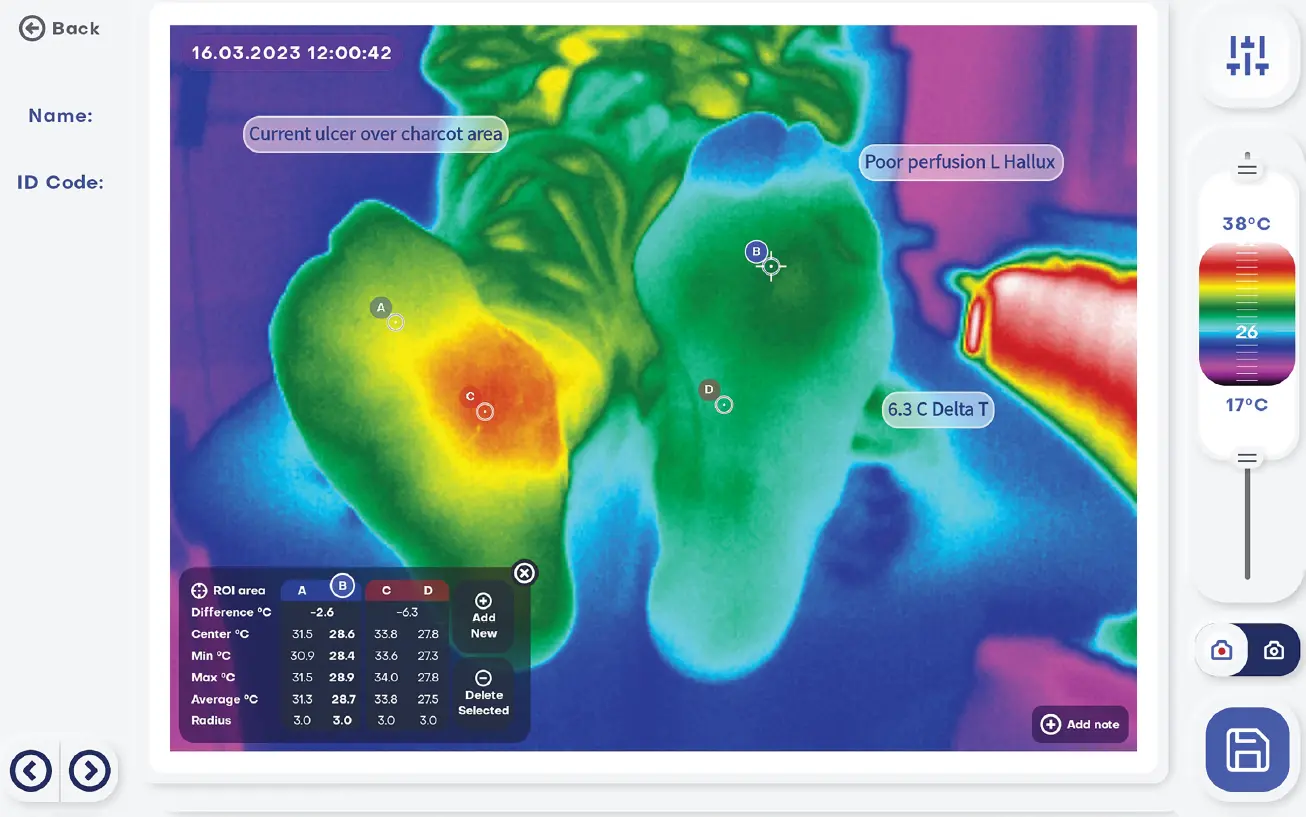
Why pressure injuries still happen
The residents most at risk are the ones who cannot tell you
In nursing homes, 17–35% of residents arrive with a pressure injury and 7–23% acquire one. Pressure and shear over bony prominences are the known mechanisms but three gaps keep them from being caught:
1 · Skin checks vary
Visual inspection depends on who is looking, the lighting, and the shift. What one nurse catches, another may miss.
2 · Risk tools disagree
Braden, Norton and Waterlow scores frequently disagree about the same resident, and none of them can see beneath intact skin.
3 · Prevention starts late
By the time redness is visible, tissue damage is already underway. Prevention that starts at stage 1 is reaction, not prevention.
Two patients, two successful preventions
What the eye missed and the camera caught
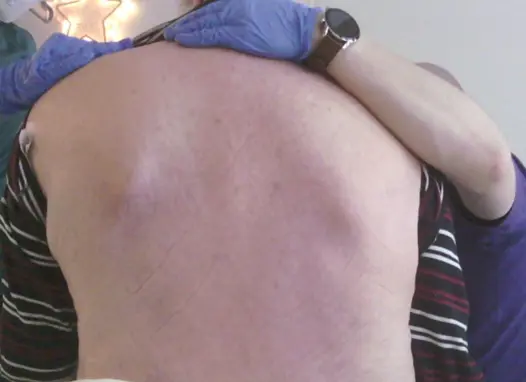
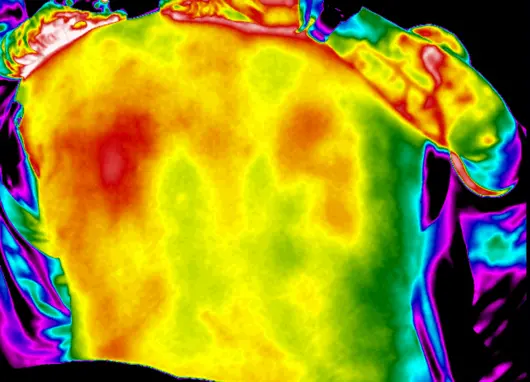
78-year-old stroke patient, Finland
A risk area was found on the paralysed side during routine physiotherapy. Repositioning started the same day. No ulcer developed.
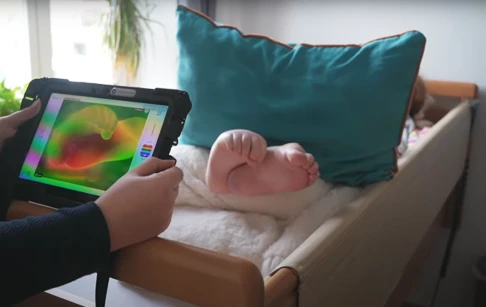
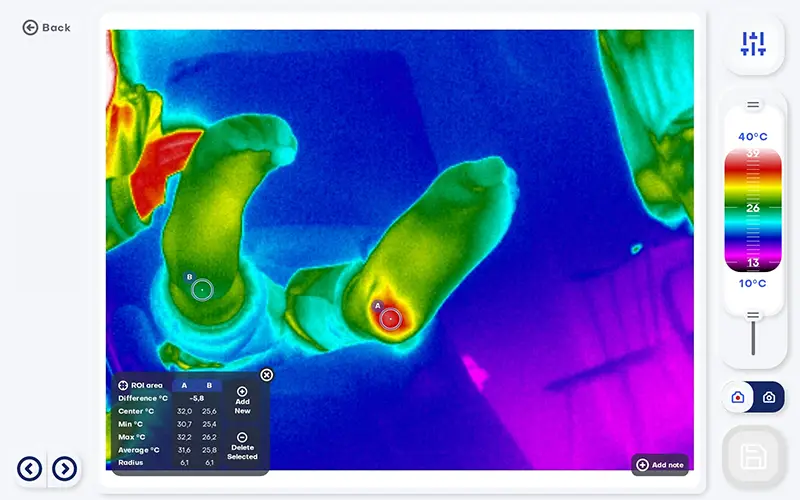
Non-verbal resident in her mid-thirties, Germany
Her behaviour changed, but there were no visible signs. The tablet showed the painful area, and treatment started in time.
Why it matters to a care team
“We were able to make faster medical decisions, resulting in better outcomes, decreasing the use of expensive diagnostic exams, and in one case avoid a toe amputation.”

Fiona Main
NHS Highland
Backed by research
Top picks from the literature
The core finding
“The IRT-based model can objectively and accurately detect pressure injuries before visual detection.”
Jiang et al. (2022), prospective cohort study
Read the study →
263
patients screened in the sacral region. Thermography outperformed every other method used in the study.
Reliable in daily rounds
“Infrared thermography provides a timely and reliable method for nursing practitioners in routine pressure injury risk assessment — a faster and more objective clinical judgement.”
Cai et al. (2020), 415 ICU patients
Type your paragraph here
Fair on every skin tone
“Skin pigmentation does not affect thermal measurement of skin temperature.” Visual checks miss early redness on darker skin; temperature does not discriminate.
Charlton et al. (2020), PLoS One 15(11)
Potential cost savings
“Documenting deep-tissue pressure injuries on admission has the potential to significantly reduce expenses associated with pressure injury litigation.”
Koerner et al. (2019), Adv Skin Wound Care 32(7)
Statistically effective
Home monitoring of plantar foot skin temperature combined with preventative action, is statistically more effective than standard treatment for preventing DFUs.
IWDGF Guidelines
Recommended solution
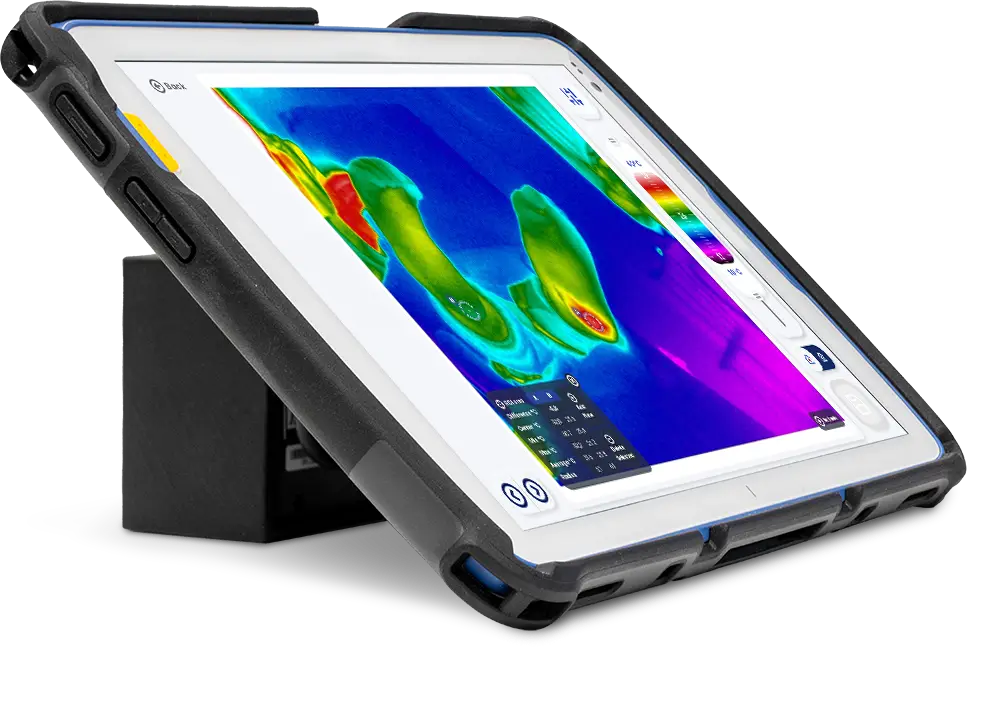
IRT-384 Tablet - the whole workflow in your hands
The IRT-384 Tablet is a high-quality thermal imaging solution for locating problem areas and monitoring the effectiveness of treatment.
A 2024 trial in a Finnish care home: every participating worker agreed thermal imaging makes risk assessment and prevention significantly easier.
Get started
What would zero look like in your home?
We are here to help you. Let us know whether you have any questions, want to see an online demo first, or prefer to start thermal imaging with a trial.
You can also email or call us:
info@thermidas.fi
+358 20 794 0961
